Buy coexistence.eu ?
We are moving the project
coexistence.eu .
Are you interested in purchasing the domain
coexistence.eu ?
domain@kv-gmbh.de · 0541-91531010
Buy coexistence.eu ?
What is exhaust gas recirculation?
Exhaust gas recirculation (EGR) is a technique used in internal combustion engines to reduce nitrogen oxide emissions. It works by recirculating a portion of the engine's exhaust gas back into the combustion chamber. This helps lower the peak combustion temperature, which in turn reduces the formation of nitrogen oxides. EGR systems are commonly found in modern vehicles as a way to meet emissions regulations. **
Can I also perform exhaust gas measurements?
Yes, you can perform exhaust gas measurements using specialized equipment such as a gas analyzer. This equipment is designed to analyze the composition of gases emitted from a vehicle's exhaust system, providing valuable information about the levels of pollutants being released into the environment. By conducting exhaust gas measurements, you can assess the performance of the vehicle's engine, identify any potential issues with emissions control systems, and ensure compliance with environmental regulations. **
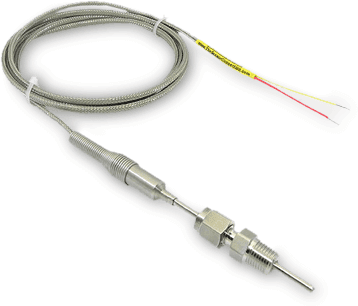

Similar search terms for NTY-EGT-CT-009-Exhaust-gas
Top-Angebote
Products related to NTY-EGT-CT-009-Exhaust-gas:
-
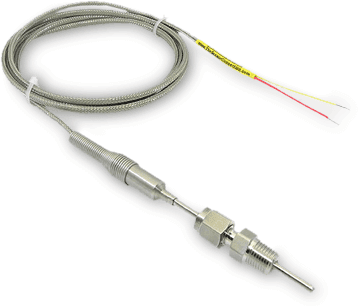
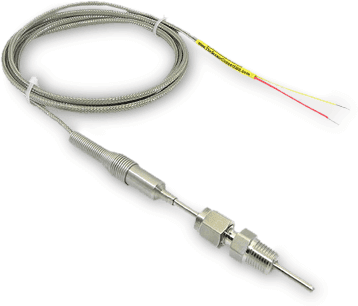
NTY EGT-CT-000 Exhaust gas temperature sensor (EGT)Exhaust System: for soot particulate filter; Supplementary Article / Supplementary Info Info 2: with cable; Cable Length [mm]: 195; Number of pins: 2; for OE number: 96 878796 80, 96 516181 80, 7 795 044; Connector Shape: rectangular38,49 £*Shipping: 8,45 £Secure redirect to the provider
-
VEGAZ TPS-009 Exhaust gas temperature sensor (EGT)Quality: OE; Number of pins: 2; Thread Size: M14x1,5; Cable Length [mm]: 290; Observe service information: ; Supplementary Info: genuine; Construction Year from: 04/2010, 01/2004, 04/2008, 11/2008, 03/2009, 08/2008, 06/2008, 01/2010, 12/2006, 01/2011; Construction Year to: 05/2012, 06/2010, 04/2008, 06/2009, 05/2011, 09/2012; Engine Code: CASD, BMK, ASB, BNG, BKN, BNG; CDYB, BKS, BUG, BPP, BUN, CAPA; CCWA, CAMA, CGKA, CCWA, CAPA; CCLA; CCWA, CASA; CCMA, CAMB; CGKB, CASA, CCWB, CDYA; CDYC, CANC, CCGA, CEXA, CARA, CGKB, CATA, CEXB; Exhaust System: before turbocharger, before catalytic converter, after catalytic converter, before soot particulate filter; Vehicle Identification Number (VIN) from: 4F-5-000 001, 4E-4-017 083, 4F-8-140 062, 4F-6-000 001, 4E-4-012 990, 8T-8-034 539, 7L-8.080 001; Vehicle Identification Number (VIN) to: 4F-6-250 000, 4E-A-020 000, 8E-8-250 000, 8K-C-715 000; Transmission Type: Automatic Transmission, Manual Transmission; VIN: 7L 8 080 000; Specification: OE # 38906088D; for manufacturer emissions standard: Euro 5; Fitting Position: both sides, Left73,49 £*Shipping: 8,45 £Secure redirect to the provider


-
May I also conduct exhaust gas measurements?
Yes, you may also conduct exhaust gas measurements. It is important to ensure that you have the necessary equipment and expertise to accurately measure and analyze exhaust gas emissions. Additionally, be sure to follow any relevant regulations and safety protocols when conducting these measurements. **
-
How do you convert gas consumption (in ct/kWh) to euros?
To convert gas consumption from cents per kilowatt-hour (ct/kWh) to euros, you need to know the current exchange rate between cents and euros. Once you have the exchange rate, you can multiply the gas consumption in ct/kWh by the exchange rate to get the equivalent value in euros. For example, if the exchange rate is 100 cents to 1 euro, and the gas consumption is 50 ct/kWh, then the equivalent value in euros would be 0.50 euros/kWh. **
-
At what temperature does exhaust gas develop in a car's exhaust system?
Exhaust gas begins to develop in a car's exhaust system when the engine reaches its operating temperature, which is typically around 200-250 degrees Fahrenheit. As the engine runs, the combustion process produces exhaust gases that are then expelled through the exhaust system. The temperature of the exhaust gas can increase as the engine works harder, such as during acceleration or towing heavy loads. **
-
What is the square root of 009?
The square root of 009 is 3. This is because 3 multiplied by 3 equals 9, making 3 the square root of 9. **

Which numbers are between 009 and 01?
The numbers between 009 and 01 are 002, 003, 004, 005, 006, 007, and 008. These numbers are all greater than 01 and less than 009. **
How can the exhaust gas recirculation be sealed?
The exhaust gas recirculation (EGR) system can be sealed by using a gasket or sealant to ensure that there are no leaks between the EGR valve and the intake manifold. It is important to use high-quality gaskets and sealants that are designed to withstand the high temperatures and pressures of the exhaust system. Additionally, proper installation and torqueing of the EGR valve and intake manifold bolts is crucial to ensure a tight seal. Regular inspection and maintenance of the EGR system can also help to identify and address any potential leaks before they become a problem. **
Top-Angebote
Products related to NTY-EGT-CT-009-Exhaust-gas:
-
NTY EGT-CT-000 Exhaust gas temperature sensor (EGT)Exhaust System: for soot particulate filter; Supplementary Article / Supplementary Info Info 2: with cable; Cable Length [mm]: 195; Number of pins: 2; for OE number: 96 878796 80, 96 516181 80, 7 795 044; Connector Shape: rectangular38,49 £*Shipping: 8,45 £Secure redirect to the provider
-
What is exhaust gas recirculation?
Exhaust gas recirculation (EGR) is a technique used in internal combustion engines to reduce nitrogen oxide emissions. It works by recirculating a portion of the engine's exhaust gas back into the combustion chamber. This helps lower the peak combustion temperature, which in turn reduces the formation of nitrogen oxides. EGR systems are commonly found in modern vehicles as a way to meet emissions regulations. **
-
Can I also perform exhaust gas measurements?
Yes, you can perform exhaust gas measurements using specialized equipment such as a gas analyzer. This equipment is designed to analyze the composition of gases emitted from a vehicle's exhaust system, providing valuable information about the levels of pollutants being released into the environment. By conducting exhaust gas measurements, you can assess the performance of the vehicle's engine, identify any potential issues with emissions control systems, and ensure compliance with environmental regulations. **
-
May I also conduct exhaust gas measurements?
Yes, you may also conduct exhaust gas measurements. It is important to ensure that you have the necessary equipment and expertise to accurately measure and analyze exhaust gas emissions. Additionally, be sure to follow any relevant regulations and safety protocols when conducting these measurements. **
-
How do you convert gas consumption (in ct/kWh) to euros?
To convert gas consumption from cents per kilowatt-hour (ct/kWh) to euros, you need to know the current exchange rate between cents and euros. Once you have the exchange rate, you can multiply the gas consumption in ct/kWh by the exchange rate to get the equivalent value in euros. For example, if the exchange rate is 100 cents to 1 euro, and the gas consumption is 50 ct/kWh, then the equivalent value in euros would be 0.50 euros/kWh. **
Similar search terms for NTY-EGT-CT-009-Exhaust-gas
-
VEGAZ TPS-009 Exhaust gas temperature sensor (EGT)Quality: OE; Number of pins: 2; Thread Size: M14x1,5; Cable Length [mm]: 290; Observe service information: ; Supplementary Info: genuine; Construction Year from: 04/2010, 01/2004, 04/2008, 11/2008, 03/2009, 08/2008, 06/2008, 01/2010, 12/2006, 01/2011; Construction Year to: 05/2012, 06/2010, 04/2008, 06/2009, 05/2011, 09/2012; Engine Code: CASD, BMK, ASB, BNG, BKN, BNG; CDYB, BKS, BUG, BPP, BUN, CAPA; CCWA, CAMA, CGKA, CCWA, CAPA; CCLA; CCWA, CASA; CCMA, CAMB; CGKB, CASA, CCWB, CDYA; CDYC, CANC, CCGA, CEXA, CARA, CGKB, CATA, CEXB; Exhaust System: before turbocharger, before catalytic converter, after catalytic converter, before soot particulate filter; Vehicle Identification Number (VIN) from: 4F-5-000 001, 4E-4-017 083, 4F-8-140 062, 4F-6-000 001, 4E-4-012 990, 8T-8-034 539, 7L-8.080 001; Vehicle Identification Number (VIN) to: 4F-6-250 000, 4E-A-020 000, 8E-8-250 000, 8K-C-715 000; Transmission Type: Automatic Transmission, Manual Transmission; VIN: 7L 8 080 000; Specification: OE # 38906088D; for manufacturer emissions standard: Euro 5; Fitting Position: both sides, Left73,49 £*Shipping: 8,45 £Secure redirect to the provider
-
At what temperature does exhaust gas develop in a car's exhaust system?
Exhaust gas begins to develop in a car's exhaust system when the engine reaches its operating temperature, which is typically around 200-250 degrees Fahrenheit. As the engine runs, the combustion process produces exhaust gases that are then expelled through the exhaust system. The temperature of the exhaust gas can increase as the engine works harder, such as during acceleration or towing heavy loads. **
-
What is the square root of 009?
The square root of 009 is 3. This is because 3 multiplied by 3 equals 9, making 3 the square root of 9. **
-
Which numbers are between 009 and 01?
The numbers between 009 and 01 are 002, 003, 004, 005, 006, 007, and 008. These numbers are all greater than 01 and less than 009. **
-
How can the exhaust gas recirculation be sealed?
The exhaust gas recirculation (EGR) system can be sealed by using a gasket or sealant to ensure that there are no leaks between the EGR valve and the intake manifold. It is important to use high-quality gaskets and sealants that are designed to withstand the high temperatures and pressures of the exhaust system. Additionally, proper installation and torqueing of the EGR valve and intake manifold bolts is crucial to ensure a tight seal. Regular inspection and maintenance of the EGR system can also help to identify and address any potential leaks before they become a problem. **
* All prices are inclusive of VAT and, if applicable, plus shipping costs. The offer information is based on the details provided by the respective shop and is updated through automated processes. Real-time updates do not occur, so deviations can occur in individual cases. ** Note: Parts of this content were created by AI.