Buy coexistence.eu ?
We are moving the project
coexistence.eu .
Are you interested in purchasing the domain
coexistence.eu ?
domain@kv-gmbh.de · 0541-91531010
Buy coexistence.eu ?
How is a covalent bond formed when nonmetal atoms meet nonmetal atoms?
When nonmetal atoms meet nonmetal atoms, they can form covalent bonds by sharing electrons. Each nonmetal atom contributes one or more electrons to the bond, creating a shared electron pair between the two atoms. This sharing of electrons allows both atoms to achieve a more stable electron configuration, typically by filling their outermost energy levels. The strength of the covalent bond depends on the number of shared electrons and the distance between the nuclei of the bonded atoms. **
How does a nonmetal react with oxygen?
Nonmetals typically react with oxygen to form oxides. This reaction can be highly exothermic, meaning it releases a significant amount of heat. For example, when sulfur reacts with oxygen, it forms sulfur dioxide. Nonmetals generally have a high affinity for oxygen, and the resulting oxides can have a variety of properties, such as being acidic or basic. Overall, the reaction of nonmetals with oxygen is an important aspect of chemical reactivity and plays a role in various natural and industrial processes. **
Similar search terms for Nonmetal
Top-Angebote
Products related to Nonmetal:
-
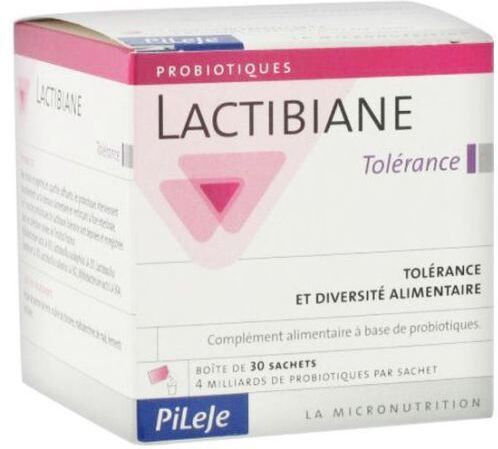
Pileje Lactibiane tolerance 30 sachetsNutrition and Supplements Prebiotics and probiotics Pileje Lactibiane tolerance 30 sachets Food supplement based on 5 microbiota strains dosed at 10 billion per capsule or sachet. Use advice 1 sachet to be dissolved in a glass of water. Take before meals.26,25 £*Shipping: 3,99 £Secure redirect to the provider
-
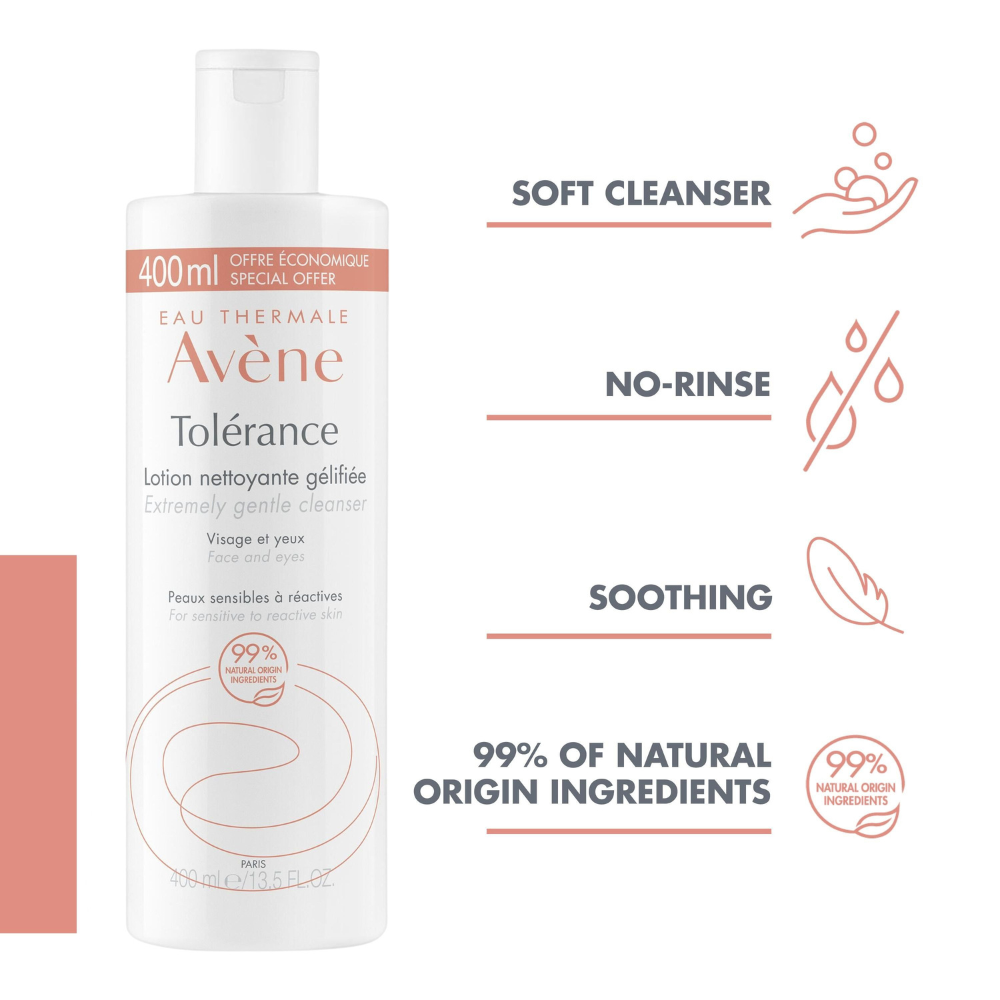
Avène Tolerance Thermal Water 300 mlHealth and Beauty Creams Avène Tolerance Thermal Water 300 ml What is Avène Tolérance Thermal Water 50 ml? Avène Tolérance Thermal Spring Water 50 ml is a refreshing and soothing spray, known for its unique properties in the care of sensitive skin. Extracted directly from the source in Avène, France, this thermal spring water is rich in minerals and trace elements with clinically proven benefits for the skin. Benefits: Soothes the skin: Ideal for relieving redness, irritation, and after dermatological procedures. Anti-irritant: Its unique composition soothes skin affected by sunburn or inflammatory conditions. Moisturizer: Provides a layer of moisture that is vital for the skin barrier. Versatile: Can be used to set makeup, refresh skin in hot weather, or after exercise. Who is it for? Avène Tolérance Thermal Spring Water 50 ml is perfect for all skin types, especially those with sensitive or hypersensitive skin. It's an essential product for those seeking instant and effective relief from irritations or for those who want to maintain healthy, protected skin daily. How do I apply it? To apply, simply spray a fine mist of Avène Tolérance Thermal Spring Water 50 ml onto cleansed skin. Let it absorb for a few minutes, then gently pat away any excess with a clean tissue. Use as often as needed throughout the day. Buy Avène Tolérance Thermal Water 50 ml Refresh and soothe your skin with the natural touch of Avène Tolérance Thermal Spring Water 50 ml. Click here to get your spray and experience gentle, pure care straight from the French Alps.12,05 £*Shipping: 3,99 £Secure redirect to the provider


-
How do you write formulas for nonmetal oxides?
To write formulas for nonmetal oxides, you need to first identify the nonmetal element present in the oxide. Then, determine the oxidation number of the nonmetal element. Finally, write the formula by balancing the charges of the nonmetal element and oxygen. For example, the formula for carbon dioxide (CO2) is written by balancing the +4 oxidation number of carbon with the -2 oxidation number of oxygen. **
-
What are the differences between metal oxides and nonmetal oxides?
Metal oxides are compounds formed between a metal and oxygen, while nonmetal oxides are compounds formed between a nonmetal and oxygen. Metal oxides tend to be basic in nature, meaning they react with acids to form salts and water. Nonmetal oxides, on the other hand, tend to be acidic in nature, meaning they react with bases to form salts and water. Additionally, metal oxides typically have higher melting and boiling points compared to nonmetal oxides. **
-
How can one recognize if an element is a nonmetal?
Nonmetals can be recognized by several characteristics. They are typically located on the right side of the periodic table, are poor conductors of heat and electricity, and have dull or non-shiny appearances. Nonmetals also tend to have lower melting and boiling points compared to metals. Additionally, they often form negative ions when they react with metals. **
-
What are the properties of metal oxides and nonmetal oxides?
Metal oxides are typically basic in nature, meaning they react with acids to form salts and water. They are also typically solid at room temperature and have high melting and boiling points. Nonmetal oxides, on the other hand, are usually acidic in nature, meaning they react with bases to form salts and water. They are often gases or liquids at room temperature and have lower melting and boiling points compared to metal oxides. Both types of oxides play important roles in various chemical reactions and industrial processes. **

Ionic bonding always occurs between a metal and a nonmetal.
Ionic bonding always occurs between a metal and a nonmetal because of the large difference in electronegativity between the two types of elements. Metals have low electronegativity and tend to lose electrons, while nonmetals have high electronen **
What is the difference between metal oxides and nonmetal oxides in chemistry?
Metal oxides are compounds formed between a metal and oxygen, while nonmetal oxides are compounds formed between a nonmetal and oxygen. Metal oxides tend to be basic in nature, meaning they react with acids to form salts and water. Nonmetal oxides, on the other hand, tend to be acidic in nature, meaning they react with bases to form salts and water. This difference in reactivity is due to the different chemical properties of metals and nonmetals. **
Top-Angebote
Products related to Nonmetal:
-
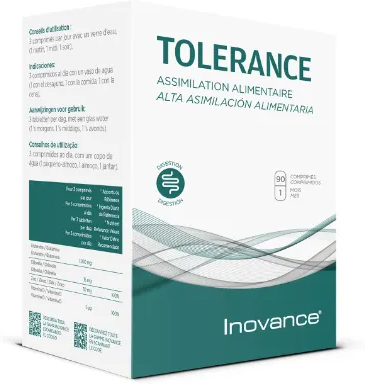
Inovance Tolerance 90 TabletsNutrition and Supplements Special supplements Inovance Tolerance 90 Tablets Inovance Tolerance 90 Tablets High Dietary Assimilation Inovance Tolerance 90 Tablets High Dietary Assimilation What is Inovance Tolerance 90 Tablets? Inovance Tolerance 90 Tablets is a dietary supplement designed to optimize nutrient absorption and improve digestion. Its formula combines digestive enzymes and natural extracts that facilitate food breakdown and promote gastrointestinal well-being. This product is ideal for people with food intolerances or difficult digestion. Benefits Improves digestion and reduces gastrointestinal discomfort. Promotes the correct absorption of essential nutrients. Contains digestive enzymes that break down carbohydrates, fats and proteins. Relieves symptoms related to food intolerances. Suitable for daily use and easy to integrate into your daily diet. Who is it for? This product is intended for people with digestive difficulties, food intolerances, or those who wish to improve the absorption of nutrients in their daily diet. It is ideal for those seeking natural digestive support that allows them to enjoy meals without discomfort. How do I apply it? Using Inovance Tolerance 90 Tablets is simple and practical: Take 1 tablet before each main meal, unless otherwise directed by a doctor. Serve with a glass of water for ease of consumption. Consult a healthcare professional if you have any questions or specific conditions. Product use Inovance Tolerance is a dietary supplement designed for daily use as digestive support. Its advanced formula acts directly on the food ingested, helping to break it down efficiently and allowing for better absorption of the nutrients the body needs. Ideal as an addition to a balanced and varied diet. Buy Inovance Tolerance 90 Tablets High Dietary Assimilation Improve your digestive well-being with Inovance Tolerance 90 Tablets . Order now and enjoy easier digestion and improved nutrient absorption. Find this supplement in our online store and have it delivered to your door.21,95 £*Shipping: 3,99 £Secure redirect to the provider
-
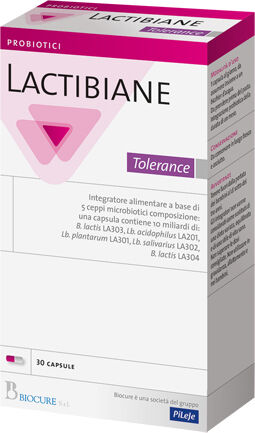
Pileje Lactibiane Tolerance 30 CapsulesNutrition and Supplements Prebiotics and probiotics Pileje Lactibiane Tolerance 30 Capsules What is Pileje Lactibiane Tolerance 30 Capsules Pileje Lactibiane Tolerance 30 Capsules is a dietary supplement specially formulated to support the balance of intestinal flora and improve digestive tolerance. It contains scientifically selected probiotic strains that help maintain a healthy digestive system and contribute to overall intestinal well-being. Each capsule provides a precise dose of beneficial bacteria that promote digestion and reduce common discomforts such as bloating, gas, and indigestion. This supplement stands out for its high stability, ensuring that the bacteria reach the intestine alive. It's also gluten- and lactose-free, making it a safe option for people with food sensitivities. It's ideal for complementing a balanced diet and a healthy lifestyle. Who is it for? Pileje Lactibiane Tolerance 30 Capsules are indicated for people who wish to maintain or restore optimal intestinal balance. It is especially useful for those who: • They suffer from heavy digestion or frequent digestive discomfort • Have recently taken antibiotics and wish to restore intestinal flora • They seek to strengthen their immune system through digestive health • They need a lactose- and gluten-free probiotic supplement How do I apply it? • Take one capsule daily, preferably during a meal • Swallow the capsule with a glass of water to facilitate absorption • Do not exceed the daily dose recommended by the manufacturer • If you are under medical treatment, consult your specialist before starting consumption. Use of the product. Regular use of Pileje Lactibiane Tolerance 30 Capsules helps maintain a healthy balance of intestinal microbiota, promoting easier digestion and abdominal comfort. Its selected probiotic strains contribute to improving digestive tolerance, especially after episodes of intestinal discomfort or imbalance. Furthermore, these capsules promote the natural strengthening of the immune system, as a healthy gut is directly related to better defense against external agents. It's recommended to incorporate them consistently as part of a healthy lifestyle and balanced diet. The capsules are easy to take and don't require refrigeration, making them practical for everyday use. Buy Pileje Lactibiane Tolerance 30 Capsules Purchase your Pileje Lactibiane Tolerance 30 Capsules in our online store and start taking effective care of your digestive health. Secure purchase, fast shipping, and an original product guarantee. Ideal for maintaining intestinal balance, promoting digestion, and strengthening your overall well-being. Place your order today and discover the benefits of a healthy gut with high-quality probiotics.31,50 £*Shipping: 3,99 £Secure redirect to the provider
-
Pileje Lactibiane tolerance 30 sachetsNutrition and Supplements Prebiotics and probiotics Pileje Lactibiane tolerance 30 sachets Food supplement based on 5 microbiota strains dosed at 10 billion per capsule or sachet. Use advice 1 sachet to be dissolved in a glass of water. Take before meals.26,25 £*Shipping: 3,99 £Secure redirect to the provider
-
Avène Tolerance Thermal Water 300 mlHealth and Beauty Creams Avène Tolerance Thermal Water 300 ml What is Avène Tolérance Thermal Water 50 ml? Avène Tolérance Thermal Spring Water 50 ml is a refreshing and soothing spray, known for its unique properties in the care of sensitive skin. Extracted directly from the source in Avène, France, this thermal spring water is rich in minerals and trace elements with clinically proven benefits for the skin. Benefits: Soothes the skin: Ideal for relieving redness, irritation, and after dermatological procedures. Anti-irritant: Its unique composition soothes skin affected by sunburn or inflammatory conditions. Moisturizer: Provides a layer of moisture that is vital for the skin barrier. Versatile: Can be used to set makeup, refresh skin in hot weather, or after exercise. Who is it for? Avène Tolérance Thermal Spring Water 50 ml is perfect for all skin types, especially those with sensitive or hypersensitive skin. It's an essential product for those seeking instant and effective relief from irritations or for those who want to maintain healthy, protected skin daily. How do I apply it? To apply, simply spray a fine mist of Avène Tolérance Thermal Spring Water 50 ml onto cleansed skin. Let it absorb for a few minutes, then gently pat away any excess with a clean tissue. Use as often as needed throughout the day. Buy Avène Tolérance Thermal Water 50 ml Refresh and soothe your skin with the natural touch of Avène Tolérance Thermal Spring Water 50 ml. Click here to get your spray and experience gentle, pure care straight from the French Alps.12,05 £*Shipping: 3,99 £Secure redirect to the provider
-
How is a covalent bond formed when nonmetal atoms meet nonmetal atoms?
When nonmetal atoms meet nonmetal atoms, they can form covalent bonds by sharing electrons. Each nonmetal atom contributes one or more electrons to the bond, creating a shared electron pair between the two atoms. This sharing of electrons allows both atoms to achieve a more stable electron configuration, typically by filling their outermost energy levels. The strength of the covalent bond depends on the number of shared electrons and the distance between the nuclei of the bonded atoms. **
-
How does a nonmetal react with oxygen?
Nonmetals typically react with oxygen to form oxides. This reaction can be highly exothermic, meaning it releases a significant amount of heat. For example, when sulfur reacts with oxygen, it forms sulfur dioxide. Nonmetals generally have a high affinity for oxygen, and the resulting oxides can have a variety of properties, such as being acidic or basic. Overall, the reaction of nonmetals with oxygen is an important aspect of chemical reactivity and plays a role in various natural and industrial processes. **
-
How do you write formulas for nonmetal oxides?
To write formulas for nonmetal oxides, you need to first identify the nonmetal element present in the oxide. Then, determine the oxidation number of the nonmetal element. Finally, write the formula by balancing the charges of the nonmetal element and oxygen. For example, the formula for carbon dioxide (CO2) is written by balancing the +4 oxidation number of carbon with the -2 oxidation number of oxygen. **
-
What are the differences between metal oxides and nonmetal oxides?
Metal oxides are compounds formed between a metal and oxygen, while nonmetal oxides are compounds formed between a nonmetal and oxygen. Metal oxides tend to be basic in nature, meaning they react with acids to form salts and water. Nonmetal oxides, on the other hand, tend to be acidic in nature, meaning they react with bases to form salts and water. Additionally, metal oxides typically have higher melting and boiling points compared to nonmetal oxides. **
Similar search terms for Nonmetal
-
Equisalud Enzimax Gluten Tolerance 50 CapsulesNutrition and Supplements Digestive enzymes and fibers Equisalud Enzimax Gluten Tolerance 50 Capsules Enzymatic preparation that can serve as natural support for people sensitive to gluten. Suitable for vegetarians and vegans. Instructions for use: Take 1 or 2 capsules at the beginning of each meal that may contain gluten.19,91 £*Shipping: 3,99 £Secure redirect to the provider
-
How can one recognize if an element is a nonmetal?
Nonmetals can be recognized by several characteristics. They are typically located on the right side of the periodic table, are poor conductors of heat and electricity, and have dull or non-shiny appearances. Nonmetals also tend to have lower melting and boiling points compared to metals. Additionally, they often form negative ions when they react with metals. **
-
What are the properties of metal oxides and nonmetal oxides?
Metal oxides are typically basic in nature, meaning they react with acids to form salts and water. They are also typically solid at room temperature and have high melting and boiling points. Nonmetal oxides, on the other hand, are usually acidic in nature, meaning they react with bases to form salts and water. They are often gases or liquids at room temperature and have lower melting and boiling points compared to metal oxides. Both types of oxides play important roles in various chemical reactions and industrial processes. **
-
Ionic bonding always occurs between a metal and a nonmetal.
Ionic bonding always occurs between a metal and a nonmetal because of the large difference in electronegativity between the two types of elements. Metals have low electronegativity and tend to lose electrons, while nonmetals have high electronen **
-
What is the difference between metal oxides and nonmetal oxides in chemistry?
Metal oxides are compounds formed between a metal and oxygen, while nonmetal oxides are compounds formed between a nonmetal and oxygen. Metal oxides tend to be basic in nature, meaning they react with acids to form salts and water. Nonmetal oxides, on the other hand, tend to be acidic in nature, meaning they react with bases to form salts and water. This difference in reactivity is due to the different chemical properties of metals and nonmetals. **
* All prices are inclusive of VAT and, if applicable, plus shipping costs. The offer information is based on the details provided by the respective shop and is updated through automated processes. Real-time updates do not occur, so deviations can occur in individual cases. ** Note: Parts of this content were created by AI.